
医院不愿收,回家护理难,中国植物人何去何从?你是否接触过植物人这个群体?是否了解他们的困境?
中国大陆第一家植物人护理中心(下简称“托养中心”),坐落在北京市中心75公里外的密云区的一个村庄里,成立5年多来,护理中心一直面临资金短缺和社会支持不足的问题。
 ...
...
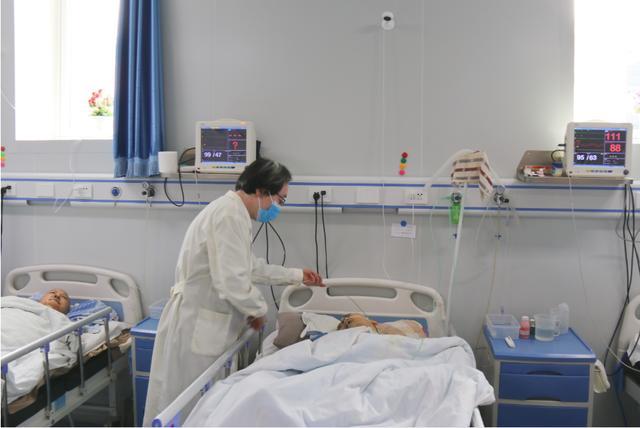
Xiang Jiuda, director of a care center for persistent vegetative people is doing sputum suction for a 14-year-old patient in Miyun District of Beijing, China. Zong Shukang/CGTN
相久大是托养中心的创始人,也是唯一的医生。原本是神经外科医生的他见证了太多植物人及家属的苦难。许多家庭为了照顾生病的家人四处奔波,高昂的医疗费用给许多家庭带来沉重的经济负担。2015年,他选择辞去了在北京一家公立医院的工作,创建了该中心。
起初,他卖掉了自己在北京密云区的房子,以此支付房租、护士工资和购买医院的医疗设备。卖房钱用完后,他又贷款来运营这个中心。这些年来,他投资多达500多万元,且前四年没有任何收入。
Located in a village in Miyun District, some 75 kilometers away from downtown Beijing, China's first care center for people in a persistent vegetative state (PVS) is still struggling with a shortage of funds and scarce social support five years after its founding.
Xiang Jiuda, a neurosurgeon, quit his job from a public hospital in the Chinese capital in 2015 and founded the center after seeing many families scramble to find a place to take care of their ill family members, while subsequently falling into deep debt.
He started his endeavor by selling his apartment in Miyun District to pay for rent, nurses and medical equipment bought for the facility. When the money ran out, he resorted to another home equity loan to fund the center. Over the years, he has invested more than five million yuan (around 724,000 U.S. dollars), without any income in the first four years.
相久大对中国国际电视台(CGTN)记者说,从一开始就困难重重,第一年他只有一位病人和7名护士,但后来护士们都认为这个中心没有前途就都离开了。
相久大从未忘记过他在这里的第一位病人。那位病人在住院三个月后,病情变严重,吃什么吐出什么。相久大用视频的方式,向一位经验丰富的肠胃科医生详细咨询,并最终使病人恢复进食,使病人又活了两年。
相久大表示:“当我开始做这个的时候,我意识到这不是一件容易的工作。我是神经外科医生,而不是全科医生。但是我必须了解各种疾病,这样我才能采取紧急措施来救病人。”
The beginning was fraught with many unexpected challenges. Xiang told CGTN that in the first year he had only one patient with seven nurses surrounding him, who later all left because they believed "the center had no future."
"When I started to do this, I realized that it's not an easy job. I'm a neurosurgeon, rather than a general practitioner. But I have to know all kinds of illness, so I can take emergency measures to save the person," Xiang said.
He has never forgotten his first patient. Three months after being admitted, the patient became so sick that he vomited whatever he ate. Xiang, via video chat, consulted with an experienced gastroenterologist who instructed him on the steps to finally get the patient back to normal. The patient survived for another two years.
据不完全统计,在中国大约有三十万至五十万植物人,并且在以每年七万至十万的速度增长。然而,由于法规限制和社会支持不足,全国运营的植物人护理中心寥寥无几。
对于有植物人患者的家庭来说,由于床位和医生等医疗资源有限,植物人的治疗和护理费用非常高。另外,由于行业规范和缺乏提供适当医疗的能力,养老院不能接收植物人患者。在这些情况下,亲人被迫把他们接回家,这往往导致他们提前死亡。
据已经研究了二十年植物人的陆军总医院神经外科主任医师何江弘介绍,如果植物人患者在家接受护理,那么他们的生命最多延长三到四个月,但如果他们接受护理中心专业护理,那么他们可以多活三到五年。
In China, there are an estimated 300,000 to 500,000 PVS patients, with the number increasing by 70,000 to 100,000 annually. However, the market for PVS care centers is still barren, which has resulted in the absence of regulations and support from society.
For families with a PVS patient, treatment in hospitals is expensive due to limited medical resources, like beds and medics.
Additionally, nursing houses can't accept PVS patients due to industry norms and lack of capability to provide proper medical treatment. In many cases, families are forced to bring their loved ones back home, often leading to an earlier death.
The average life expectancy for a PVS patient ranges from three to four months if they receive care at home, but they can live for as long as three to five years if they receive care in professional care centers, according to He Hongjiang, director of the neurosurgery department at a hospital in Beijing, who has studied PVS for over 20 years.
相久大表示,他的目标之一就是为这些植物人患者提供专业的护理,延长他们的寿命,也帮助他们家庭减轻经济和心理负担。
相久大的托养中心每月向每位患者收取7500至10000元,这与医院的费用相比要便宜得多,因为医院的大部分费用无法由国家医疗体系支付。
Xiang said one of his goals is to provide professional care for these patients, in order to extend their lifespan and relieve families of both the economic and psychological burdens.
He charges 7,500 to 10,000 yuan( 1,070 to 1,430 U.S. dollars) for each patient monthly, which is much lower compared with fees in hospitals, most of which can't be covered by the national health care system.
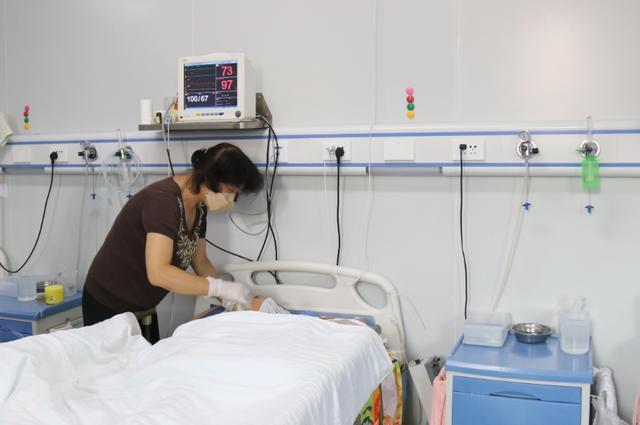 ... Mrs Li is wiping her husband's face. Zong Shukang/CGTN
一位不愿透露姓名的李女士告诉CGTN记者,截至目前,她已经为植物人丈夫在医院花费了200多万元。这还不包括她雇佣护理人员、购买基本生活用品以及进入托养中心后的费用。
她的丈夫在2014年发生了一起事故,从此变成了植物人。两年前她把丈夫从医院转移到了托养中心。对李女士来说,她这些年所经历的一切都使她痛苦万分,包括高昂的住院费用和她为丈夫雇佣的未经专业训练的个人护理人员,而这个托养中心减轻了她的痛楚和负担。
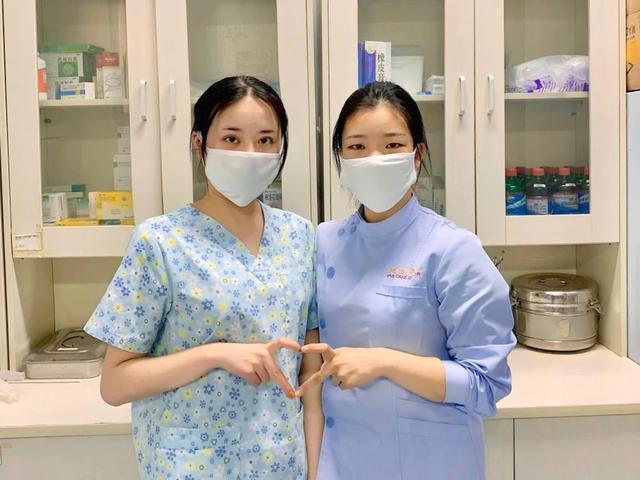 ... Two nurses in the PVS care center. /CGTN
与护士不同,护理人员不一定有医学背景,她觉得他们无法为他提供所需的适当护理。网络上有很多护工虐待病人的视频。
也许你只是看过,而李女士她亲身经历过,她以前雇佣的的一个护工戳了她丈夫的头,还叫他“你这个傻蛋。”
李女士曾多次想过和丈夫一起结束生命,“在最坏的情况下,我真的不想活了。有时候,我觉得他已经变成这样了。我只是想结束我们的生命,和他一起离开这个世界。”
Mrs Li, who asked not to disclose her first name, told CGTN that she has spent over two million yuan (about 286,000 U.S. dollars) in hospitals for her husband, who is in a vegetative state. This doesn't include the money she has spent to hire care workers, to buy basics and the fees she incurred once inside the center.
Her husband was involved in an accident in 2014 and she moved him from a hospital to the center two years ago. For her, the center was a source of relief given all she had experienced in the past years, including high hospitalization expenses and unprofessional conduct from personal care workers she hired for her husband.
She recalls a humiliating experience, where one of her former care workers poked her husband's head while calling him a "dumb idiot." Unlike nurses, care workers do not necessarily have a medical background, and she felt like they were unable to provide him with the proper care he needed.
Many times, Li thought of ending her life together with her husband."In the worst-case scenario, I really don't want to live anymore. Sometimes, when I think he has become like this. I just want to end our lives, leaving the world together with him," Li said.
这个托养中心给了李女士新的希望。
现在,对于李女士来说,只要丈夫还活着,她就会尽自己最大的努力去救他,她说: “人的生命只有一次,人们必须珍惜它。我不奢望有一天他能醒过来,能下床走路。我只是希望每次我来这里,我都能看到他,照顾他。这对我来说是一件很开心的事了。”
For Li, despite all the money she has spent and the hardship she has suffered after her husband's accident, she insisted that as long as her husband continued breathing, she would do her best to save him, saying "human life happens only once, so people must cherish it."
"I don't expect too much that one day he can wake up, that he can walk. I just hope every time when I come here, I can still see him and take care of him. That's a really happy thing for me," Li said.
对于相久大来说,安抚一个植物人,就是安抚一个家庭。
希望社会给予植物人更多关注和帮助。